

Background
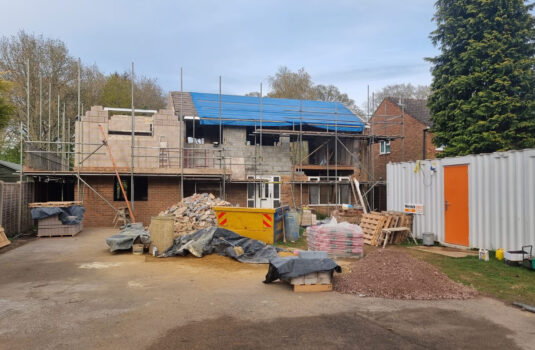
Fir Trees was a significant structural remodelling of a 1970s constructed house, providing a substantial increase in living accommodation. High water tables were considered during the design and construction, creating an architecturally stunning new property.
Project Overview
A detached residential property in Surrey, originally constructed in the 1970s. The client’s vision was to transform the dated property into a contemporary, high-performance home through a significant extension and modernisation. The works included substantial alterations to the existing structure, introduction of large open-plan living spaces, and integration of bespoke architectural features.
1. Structurally Complex Extensions
• The new design required extensive reconfiguration of the existing structure to accommodate open-plan layouts, large glazed openings, and feature elements. This necessitated:
• Replacement of load-bearing walls with long-span steel beams.
• Integration of structural frames to create uninterrupted internal spaces.
• Careful sequencing of works to ensure stability of the existing structure during construction
• The property sits on a site with a high water table, which introduced complications for the foundation design and basement-level works. To address these issues, we adopted:
• A specialist foundation solution to mitigate risks associated with ground saturation.
• Installation of effective drainage and waterproofing systems to protect the new and existing structures.
• Close coordination with geotechnical engineers to ensure long-term stability and resilience.
2. Architectural Features Requiring Structural Innovation
• Several bespoke architectural details demanded special structural solutions, including:
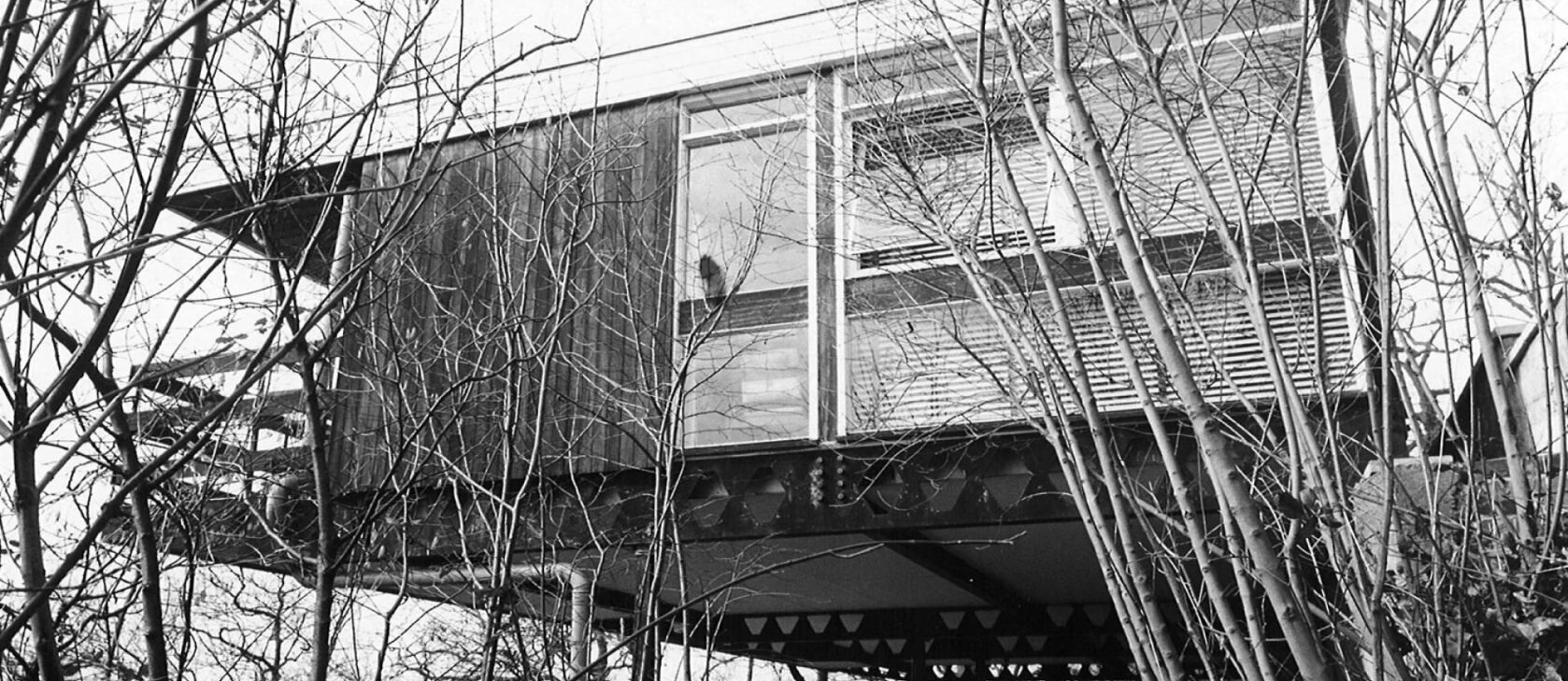
• Cantilevered sections to achieve clean, modern lines.
• Oversized glazing panels requiring hidden structural supports.
3. Engineering Solutions
To overcome these challenges, we collaborated closely with the architect, contractor, and specialist consultants.
Key engineering interventions included:
• Integrated steel and concrete framing to support large openings without compromising aesthetics.
• Underpinning and foundation strengthening where existing footings were insufficient for the extended loads.
Further Case Studies

Get in touch
"*" indicates required fields
